What the FUSE District Is
The Franklin Urban Sports and Entertainment (FUSE) District is Gastonia's flagship downtown-revitalization initiative, centered along West Franklin Boulevard. It's the kind of project every growing Southern mill city seems to eventually attempt — taking underused downtown buildings and parcels and turning them into housing, entertainment and gathering space — and in Gastonia's case, it's backed by a real, visible anchor rather than just a plan on paper.
The Anchor: CaroMont Health Park
CaroMont Health Park, a 5,000-seat outdoor stadium at S. Hill Street and W. Franklin Blvd., opened for the 2021 season, with its first game played May 23, 2021. It was originally home to the Gastonia Honey Hunters (Atlantic League of Professional Baseball, 2021–2023), which filed for Chapter 11 bankruptcy in December 2023 after the league terminated its membership. The venue is now home to the Gastonia Ghost Peppers, playing there since 2024. Reported construction-cost figures for the stadium vary depending on the source — the figures found in the historical record differ by a few million from each other, and rather than pick one, it's fair to say the project represented a serious, tens-of-millions public investment in the district.
Housing and Business Coming to the District
The stadium isn't the only project in the FUSE District. The Trenton Mill redevelopment, led by Lansing Melbourne Group, a Florida-based developer, broke ground in November 2020 and is planned to bring 89 loft apartments to the district. Durty Bull Brewing Co., a Durham-based brewery, took a roughly 5,000-square-foot space in the district's historic former Coca-Cola bottling plant — described at the time as the first restaurant-style use to open in FUSE. That source is dated November 2020, so treat any "coming soon" framing as historical rather than current-day status — the district has had years to keep evolving since, and it's worth confirming what's actually open today before assuming a specific tenant is still there.
Debris From a Redevelopment District
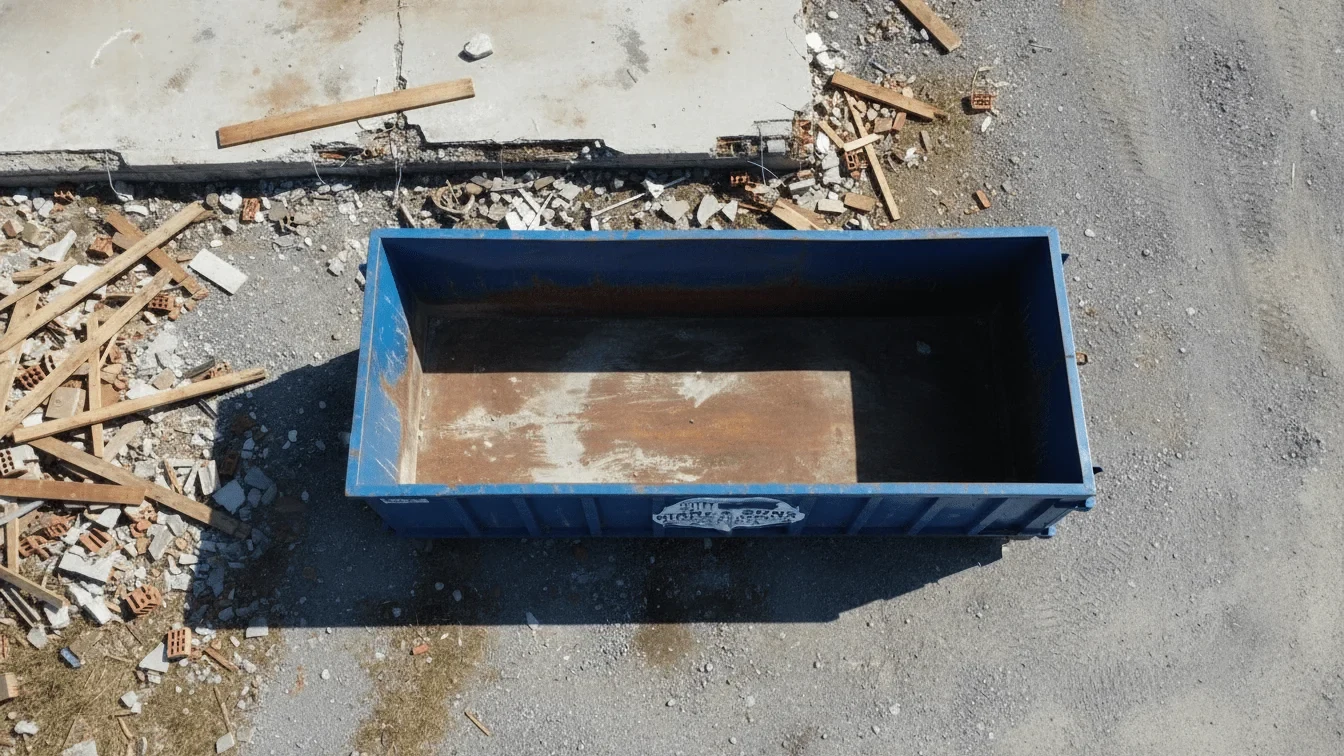
A downtown adaptive-reuse project like this generates a genuinely mixed debris stream — old brick, plaster and lath from interior demolition inside century-old mill buildings, packaging and fit-out material for new commercial tenants, and general construction scrap as new structures rise around older ones. It's a different kind of job than a typical residential remodel: often tighter site access, coordination with neighboring active businesses, and material that in some cases is worth salvaging or recycling rather than simply hauling to the landfill, particularly brick and structural timber from a mill-era building.
Getting a Container Onto a Downtown Gastonia Block
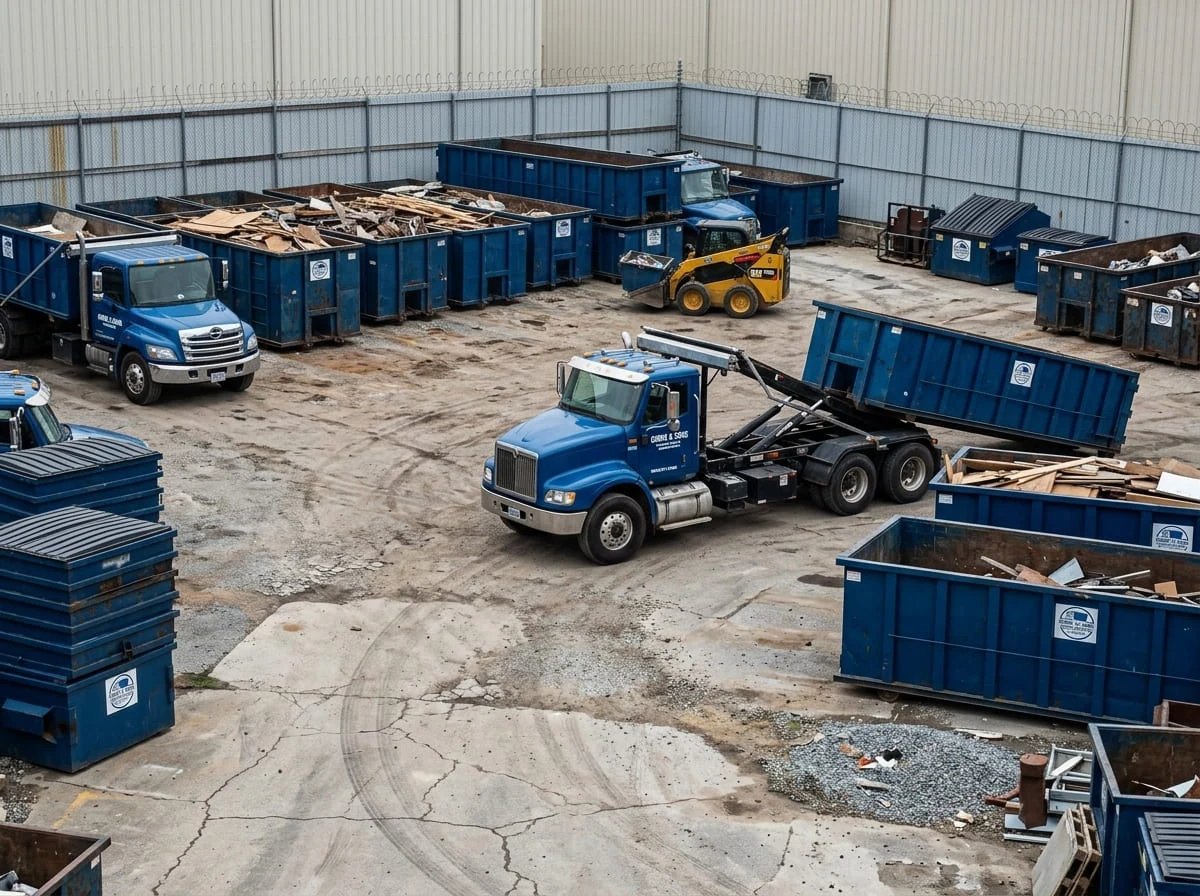
Downtown streets near the FUSE District weren't designed with a modern roll-off truck in mind, and a construction site there is often sitting next to active foot traffic, ballgame crowds on game nights, or neighboring businesses that still need their own deliveries and customer access. We plan placement around all of that — timing deliveries and pickups to avoid the busiest hours near the stadium, and working with contractors on exactly where a container can sit without blocking a sidewalk or a neighboring business's loading area. Whether your project is a loft conversion, a new restaurant build-out, or general downtown redevelopment work, call and describe the site and we'll work out access before delivery day.
A District Built on Reuse, Not Just New Construction
What makes the FUSE District's story a little different from a typical greenfield development is how much of it is adaptive reuse rather than ground-up new construction — a former bottling plant becoming a brewery, an old mill building becoming loft apartments, underused downtown parcels becoming a stadium anchor. That pattern means a lot of the debris coming out of the district isn't new-construction scrap at all; it's the careful demolition of interiors inside structures the district wants to keep, which calls for a different level of care than clearing a vacant lot.
Confirming What's Actually Open Before You Plan Around It
Because some of the most detailed reporting on FUSE District tenants dates back to 2020, it's worth a quick check before assuming a specific business or project described in older coverage is still there in its original form — districts like this tend to keep adding and changing tenants well past their initial opening. If your project involves coordinating with a specific downtown business or building, confirming its current status directly is a smarter first step than relying on a years-old article.